
THE BORDER BETWEEN US
I was just a child when for the first time I went to Northern Albania. My mother Gazmira says it was November 1980, I did not remember the date. I only remember a few things from that journey. I remember it was a very emotional trip, it was just my father Bashkim and I. My sister Venera was eleven months old, she stayed home with my mother. It was not merely a tourist trip, otherwise I would have concentrated on the journey, not the destination. I remember the lake, the deep blue, almost green water and the ferry. I also recall a narrow road and potholes on it, or am I confusing it with any other narrow road with potholes, so common in the Albania of that era?
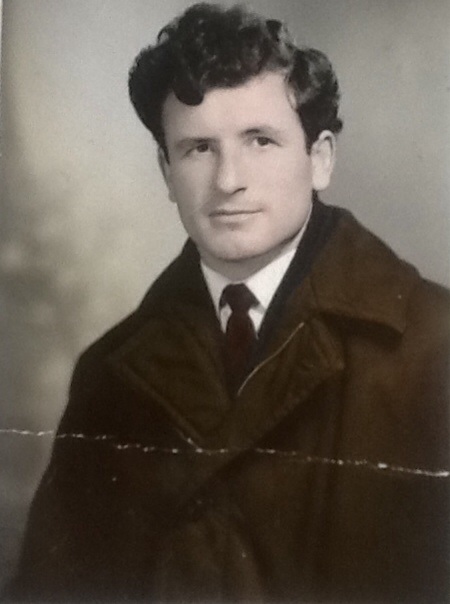
My father and I had a goal. We took an eight hour-long trip from Tirana to arrive at the border with Kosovo to pick up his parents. They had managed to get the visa to come to the ferocious communist Albania of the Hoxha’s regime. I was excited to meet my paternal grandparents for the first time. In fact, my father was going to see his own par- ents for the first time since 1959. He had left Gjakova at the age of 17, when the youth of his town was left out the school system. It was the decision of the then Minister of the Interior, the notorious politician Alexandar Ranković, to shut down the only high school.
A number of teenagers, boys and girls, left for Albania to continue their studies. I know little about their adventure because my father never talked much about that. I know for sure that they – some friends, a bunch of idealists -, crossed the border illegally. Gjakova is very close to the border at Kukës. Once in Albania, where they thought they would be safe, the youths were immediately sent to a labor camp in Lushnjë. My father stayed there for two years. It wasn’t easy at all. He recalled that period as a very tough one. And for 35 years he was banned from entering Kosovo and seeing his family.
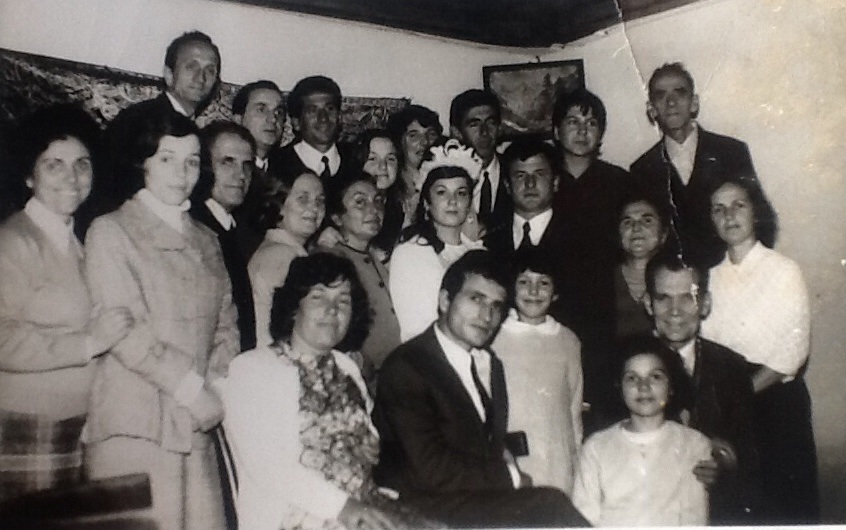
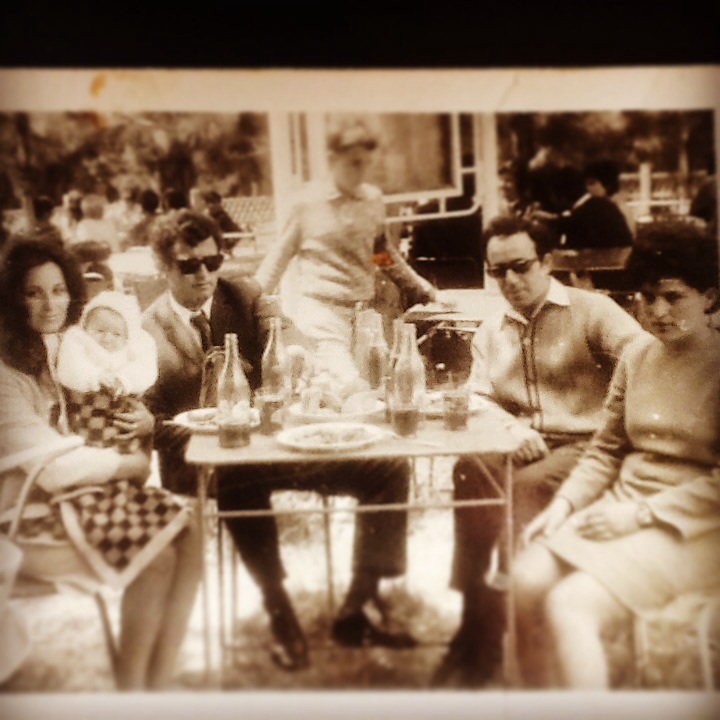
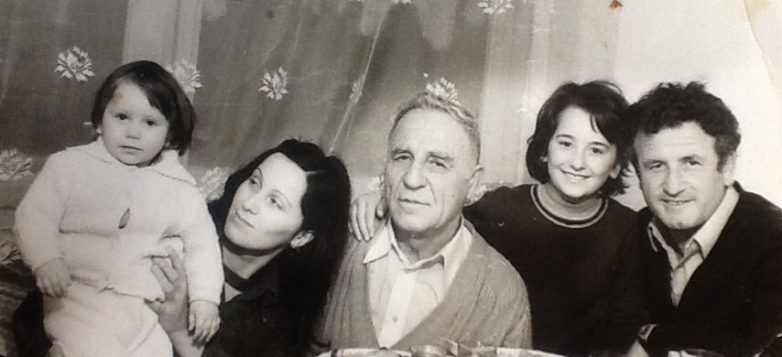
We had many pictures of our Kosovo family. We exchanged photos frequently with them, in fact, all the time. I was curious. My grandmother from my mother’s side, Sani- je, was also from Gjakova. Her husband was a merchant and the end of WWII found them in Albania. They decided to stay. Sanije and Bashkim got on very well together. I recall that they talked about people, neighborhoods, and events in Gjakova. It was an exercise in memory, I think. I enjoyed their conversations very much. They could spend hours reminiscing when nona, that’s how we all called Sanije, came to our home for sleepovers.
At that border line, in November 1980, I met the other half of my family – aunts, uncles, cousins – for the first time. I had never seen them before, and actually I didn’t even meet them, I just saw them standing behind the border guards, who did not allow us to come closer. I remember a line of maybe forty family members. I couldn’t see their faces well, from a distance of one hundred meters. I could not memorize their faces. It was strikingly surreal. And I have no pictures of that day, as we were not allowed to bring cameras with us.
I do remember meeting my grandparents, Mustafa and Fatime Neziri. In my grandfather’s family they were all watchmakers, later turned opticians. They brought me beautiful things and I suddenly became the most fashionable girl of the school. I remember how they filled the house with so much love and warmth.
They stayed with us for one month. He and my father didn’t talk much about the present. As far as I remember, they never talked about politics in my presence. I wonder why. Were they weary of eavesdropping? Did they consciously want to ignore the present?
When they left, I remember seeing for the first time my father crying. That was shocking to me. He was a strong man, he never showed his soft side. I felt very lonely after their departure.
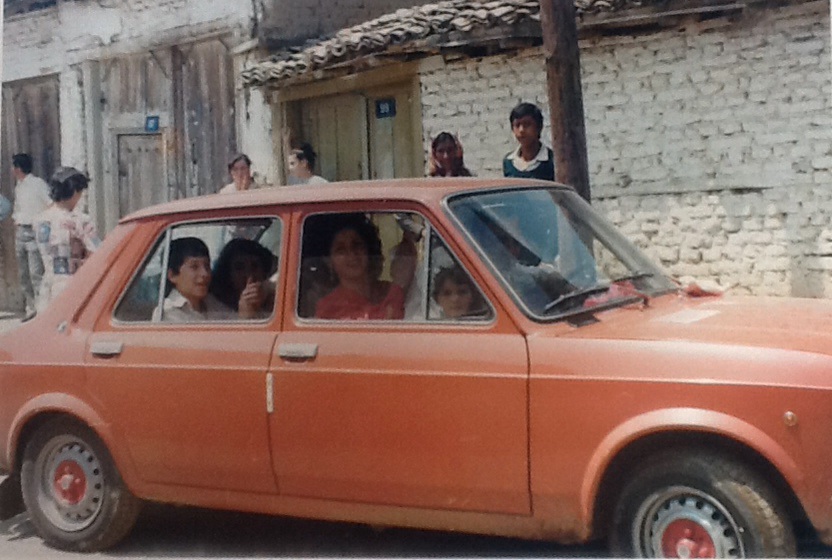
We visited Kosovo for the first time in early 1994, which means 35 years after my father’s migration. I remember he was overwhelmed during our stay, three weeks in total. We partied all the time, invited by relatives and friends to lunches and dinners. It was frenetic! They were big, wedding-like gatherings. I had never seen anything like that.
Amazing!
My father passed away on April 3, 1998. His birthday fell on November 28, the day of the flag. In 1999, one year after his death and four months after the end of the war, my husband Ardian and I went to Kosovo. It was a simple homage from the heart. I am certain that my father, if alive, would have loved to celebrate his birthday in the newly- freed Kosovo.
I went through the same journey last fall. This time I took photos. Here’s one of them: I like the river and all the symbolism associated to it. Everything has much more light than in my memories.